
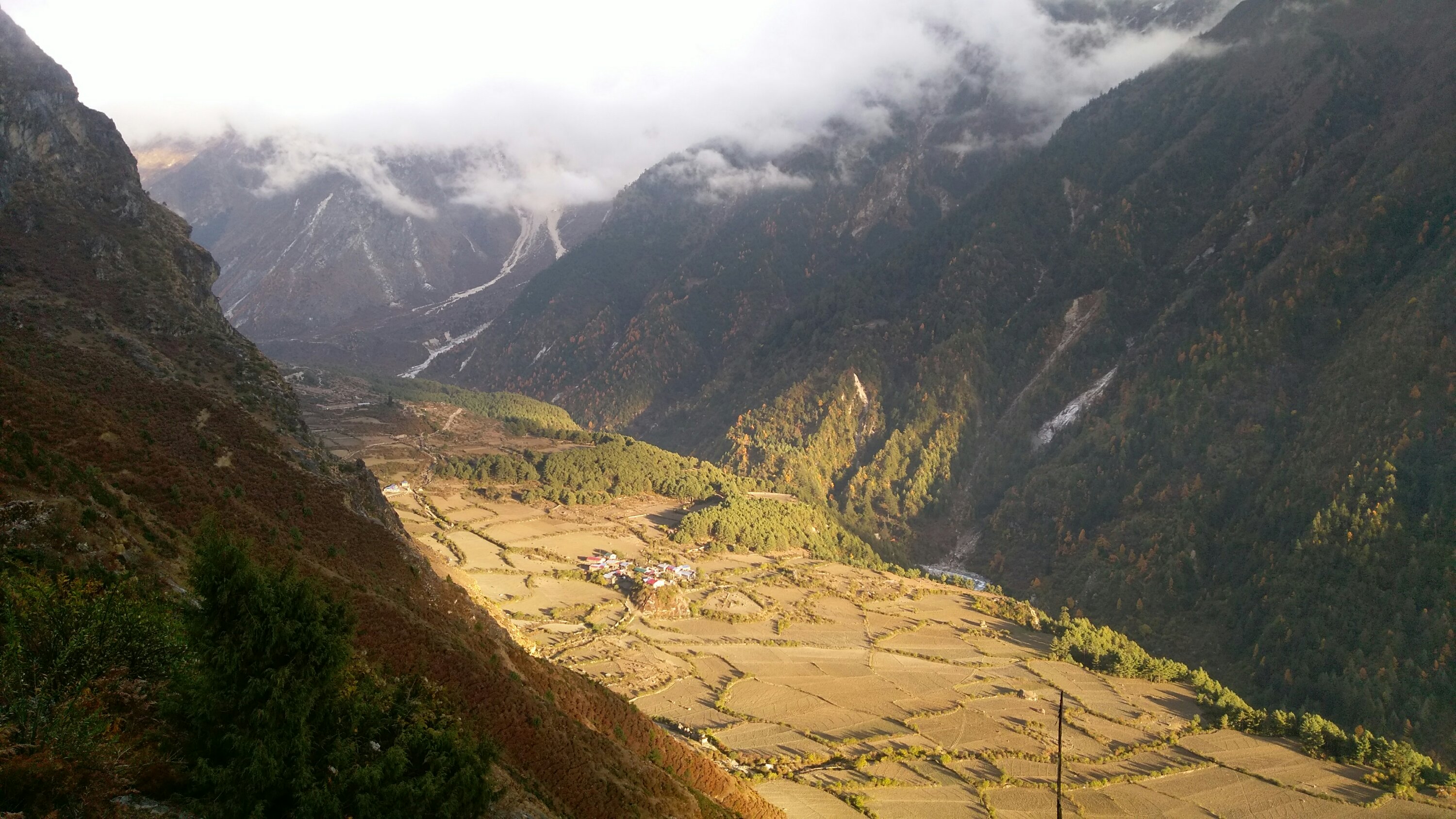
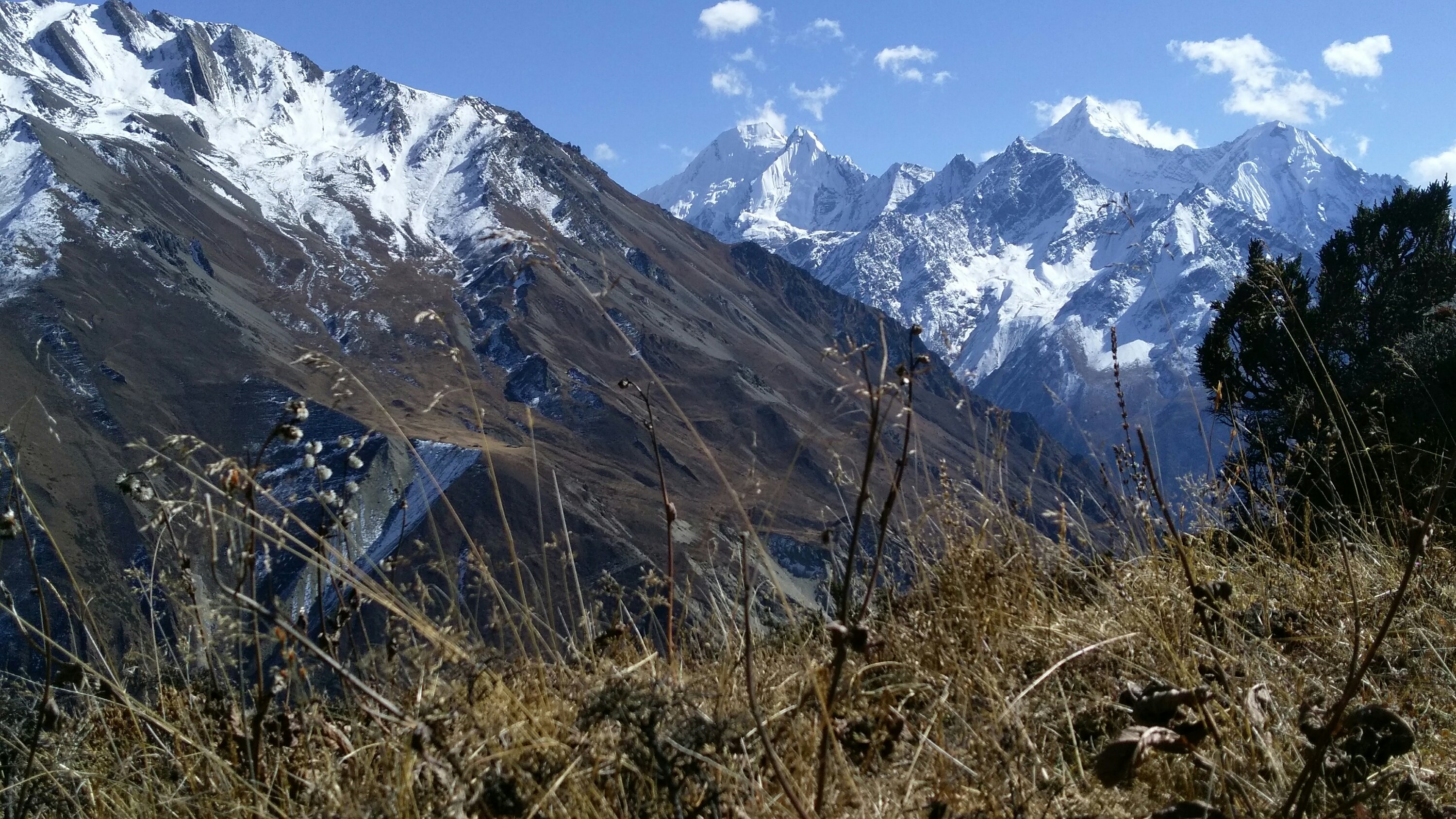
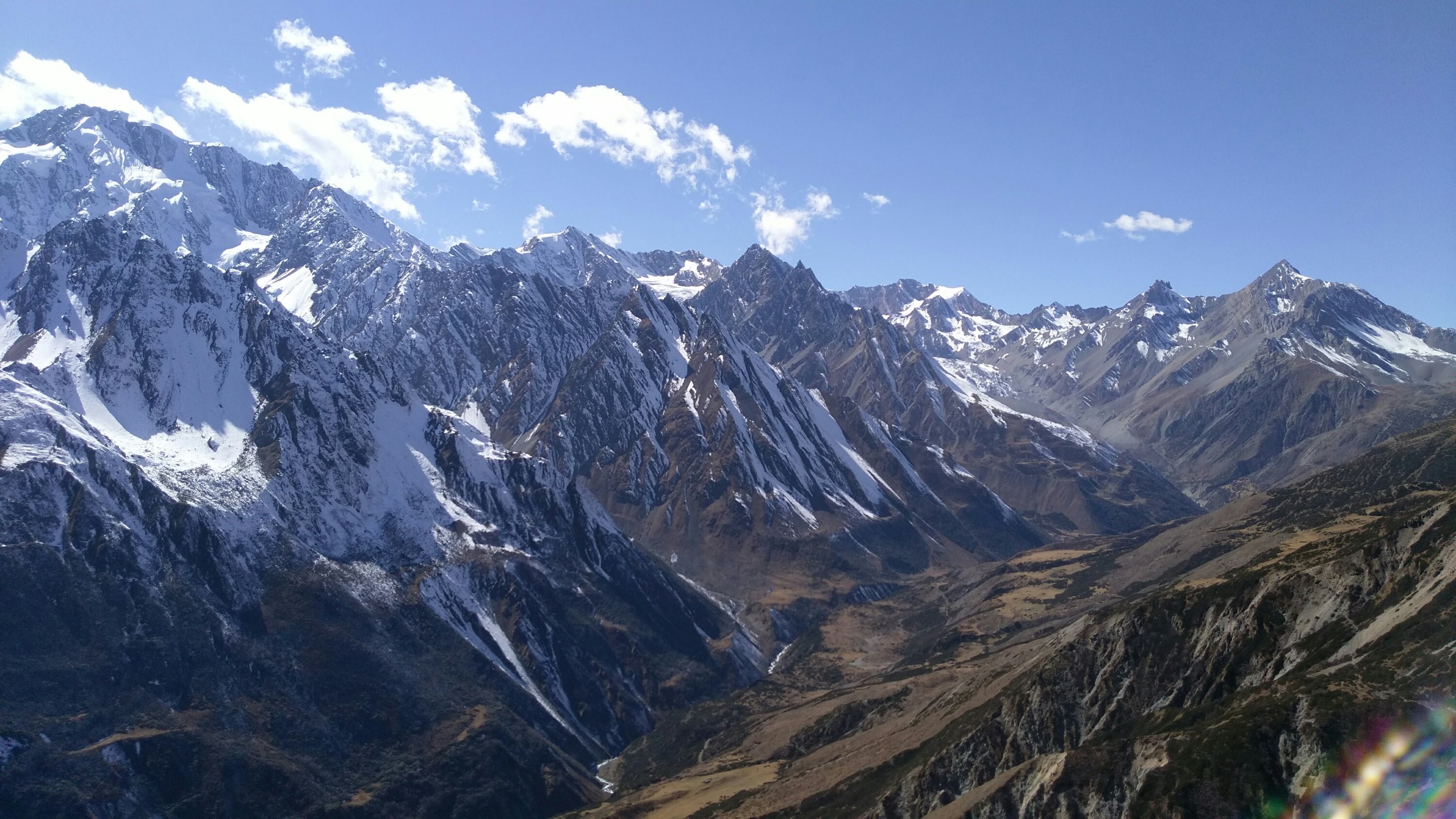
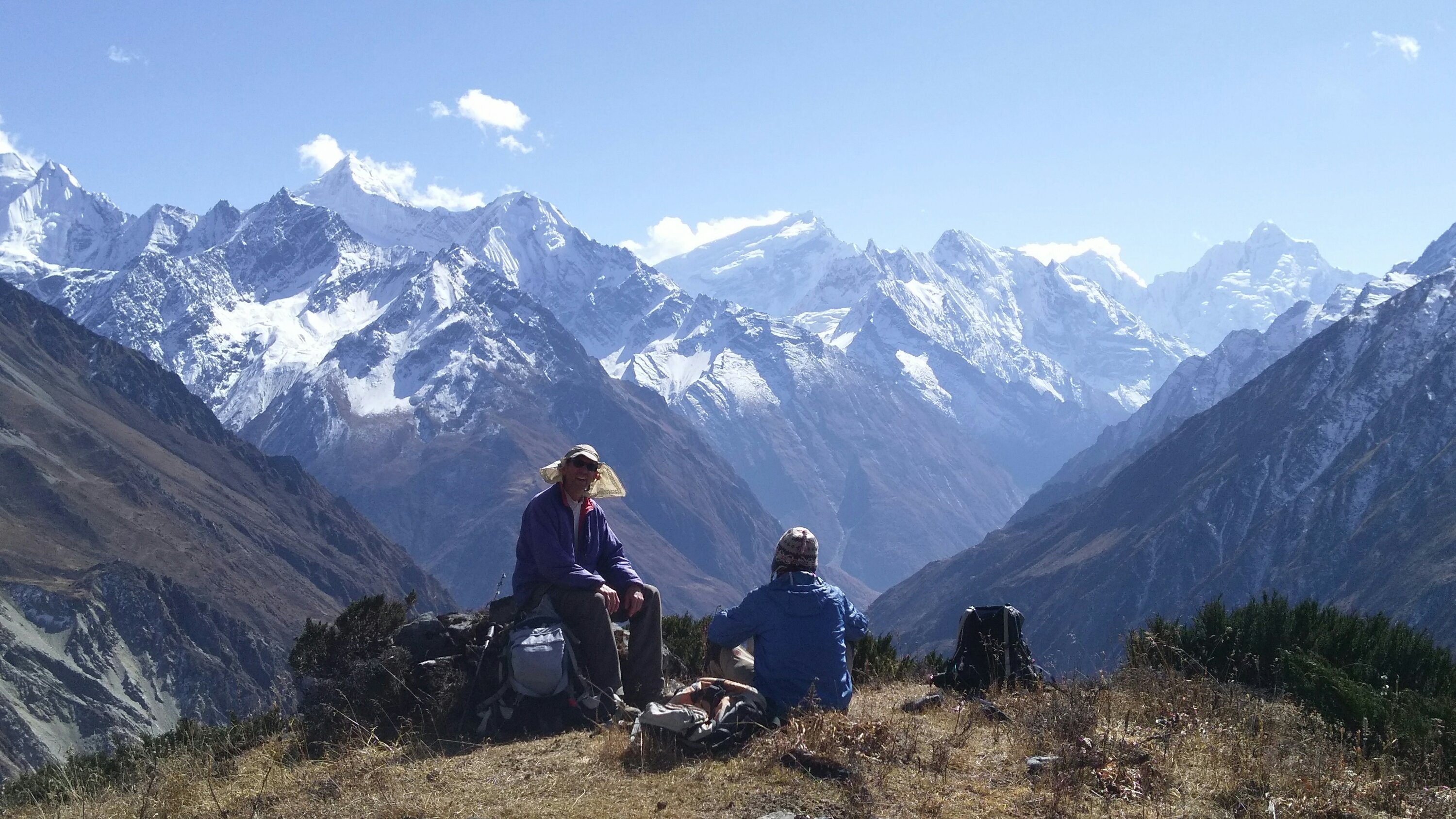
The Tsum valley is located in the Ghorka region of Nepal. It is a side valley off of the major Manasalu trek. Etablished in the 12th century, Ghorka borders Tibet and the culture reflects that. Steeped in Tibetan Buddhism, the Sherpa, Gurung and Tibetan languages are spoken here. The valley is nestled among large peaks and provides access and trading for locals with Tibet. The Ganesh Himal peaks form one border of the region. Our journey took us up to Dupchet the head of the valley where the trail splits. We hiked to a high point of 4400 meters and looked out on the border of Tibet, then into the base camp of Ganesh Himal where we were dwarfed by the 7000 meter peaks!
 ( check out interactive map click here)
Admission to the valley comes at a “steep” price. the intense up hill climbs end in a wide fertile valley. The small villages are tucked in among the many fields where people grow barley, potatos and buckwheat.
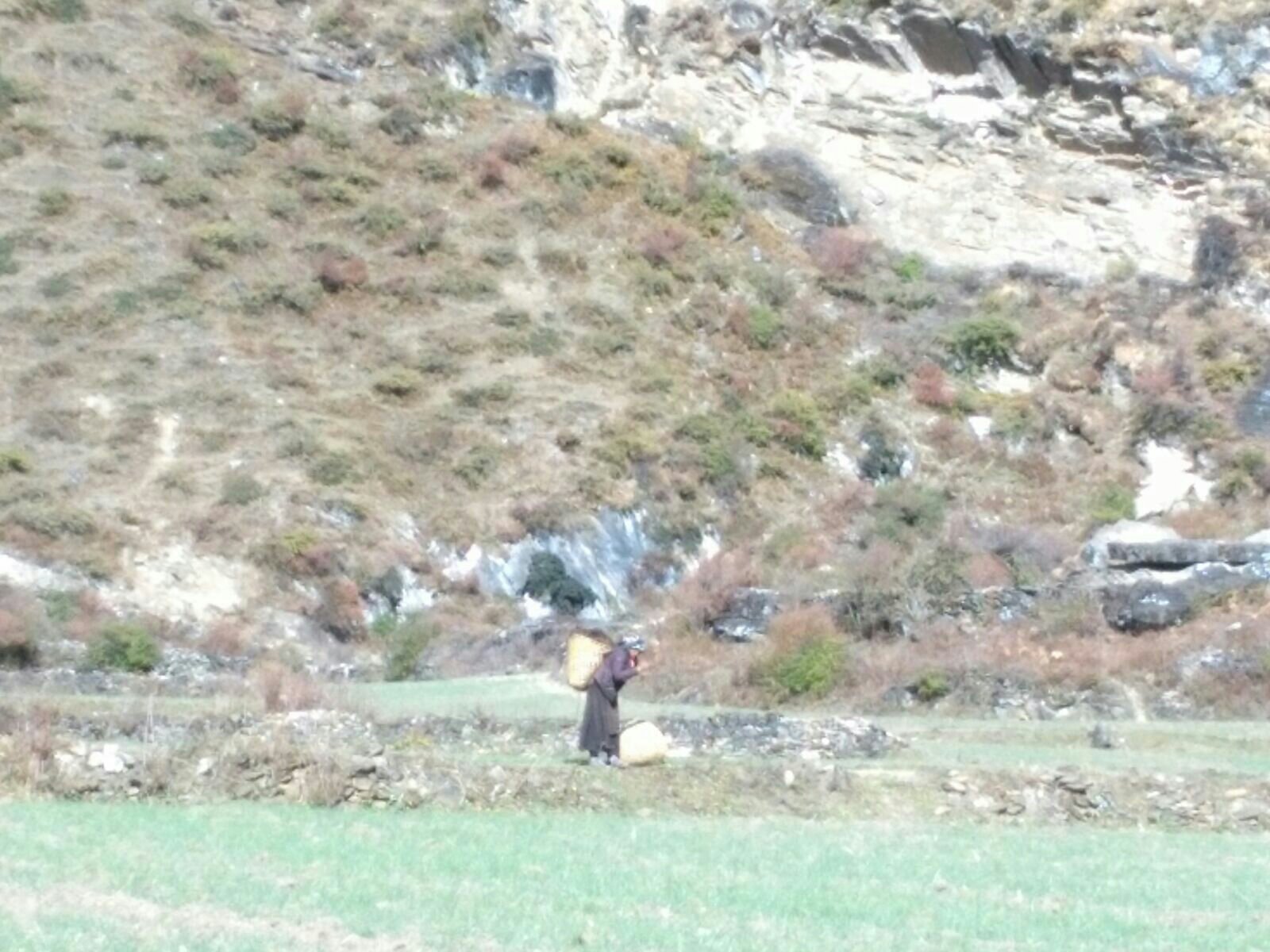
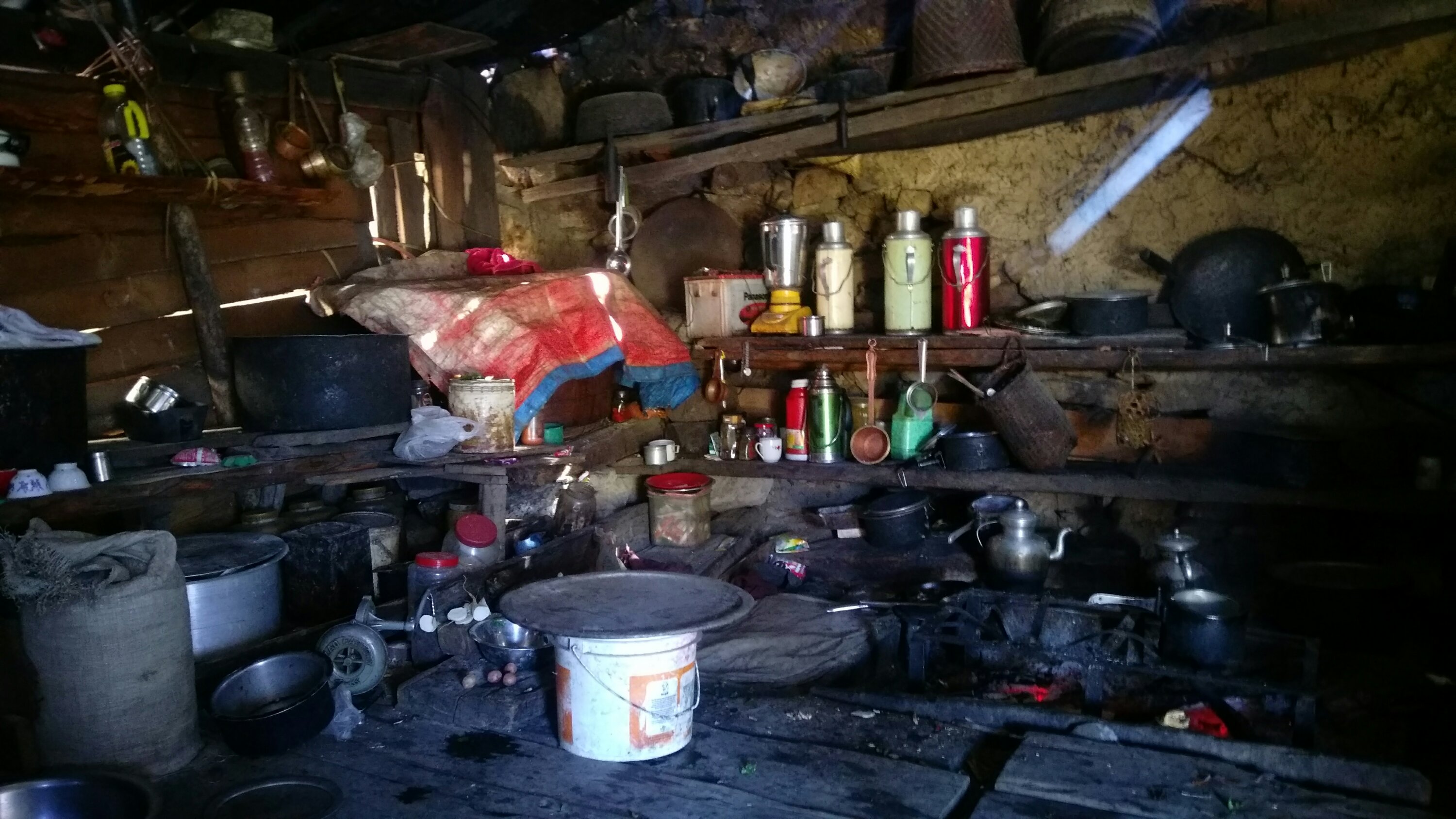
People here live a rural mountain life. Women in the fields spread compost by hand out of BIG baskets that they carry with a strap on their forehead. These same hands will make dinner possibly on a gas stove but more likely over open fire of wood and yak dung…..breathing in smoke and tending their children…. all makes my life look so easy (which it is!). Life is hard and simple in these mountains. It hit home watching the man till his field with 2 buff pulling a hand plow, something I remember from my 9th grade geography textbook. Images like that are part of daily life here.


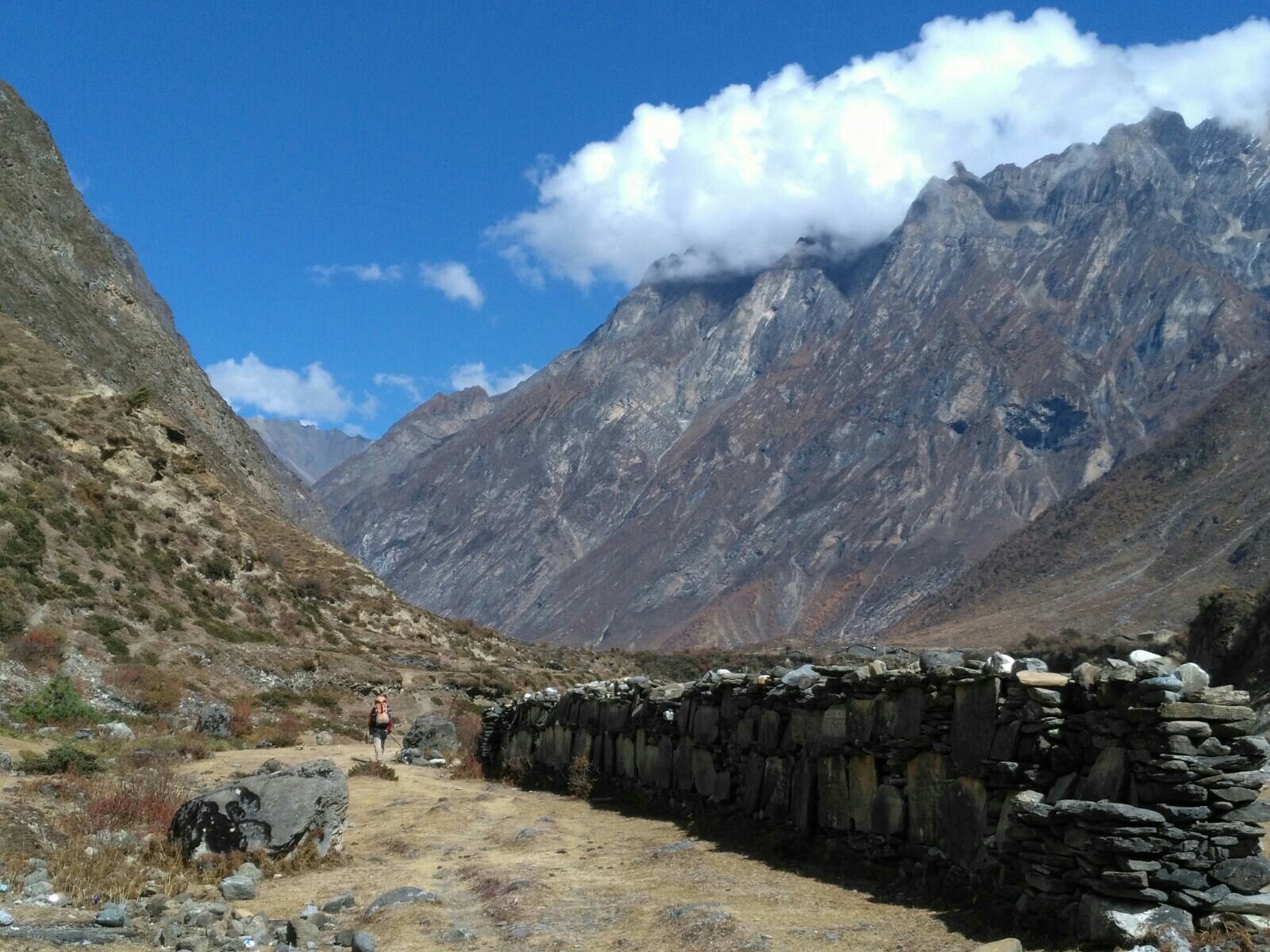
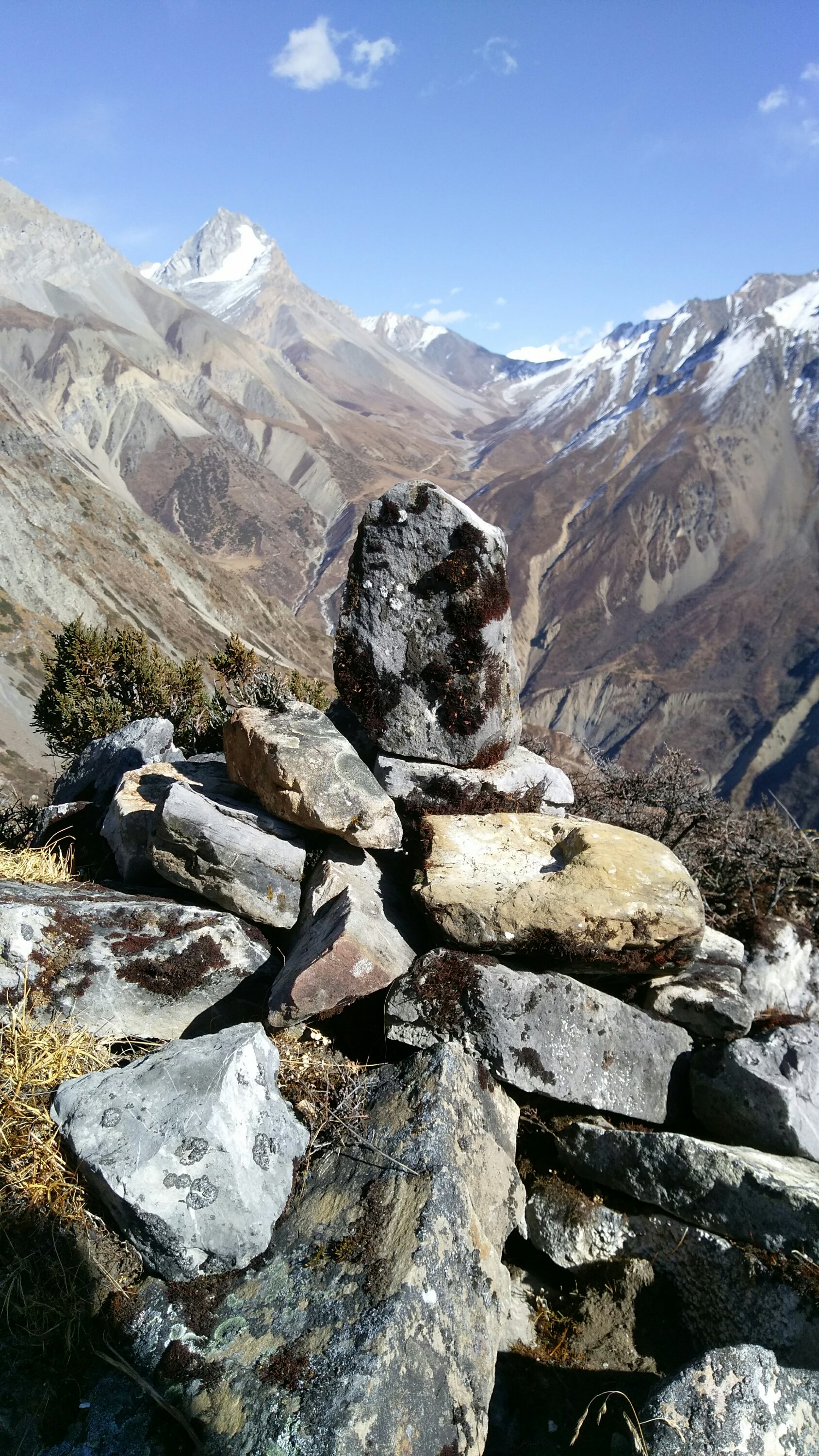
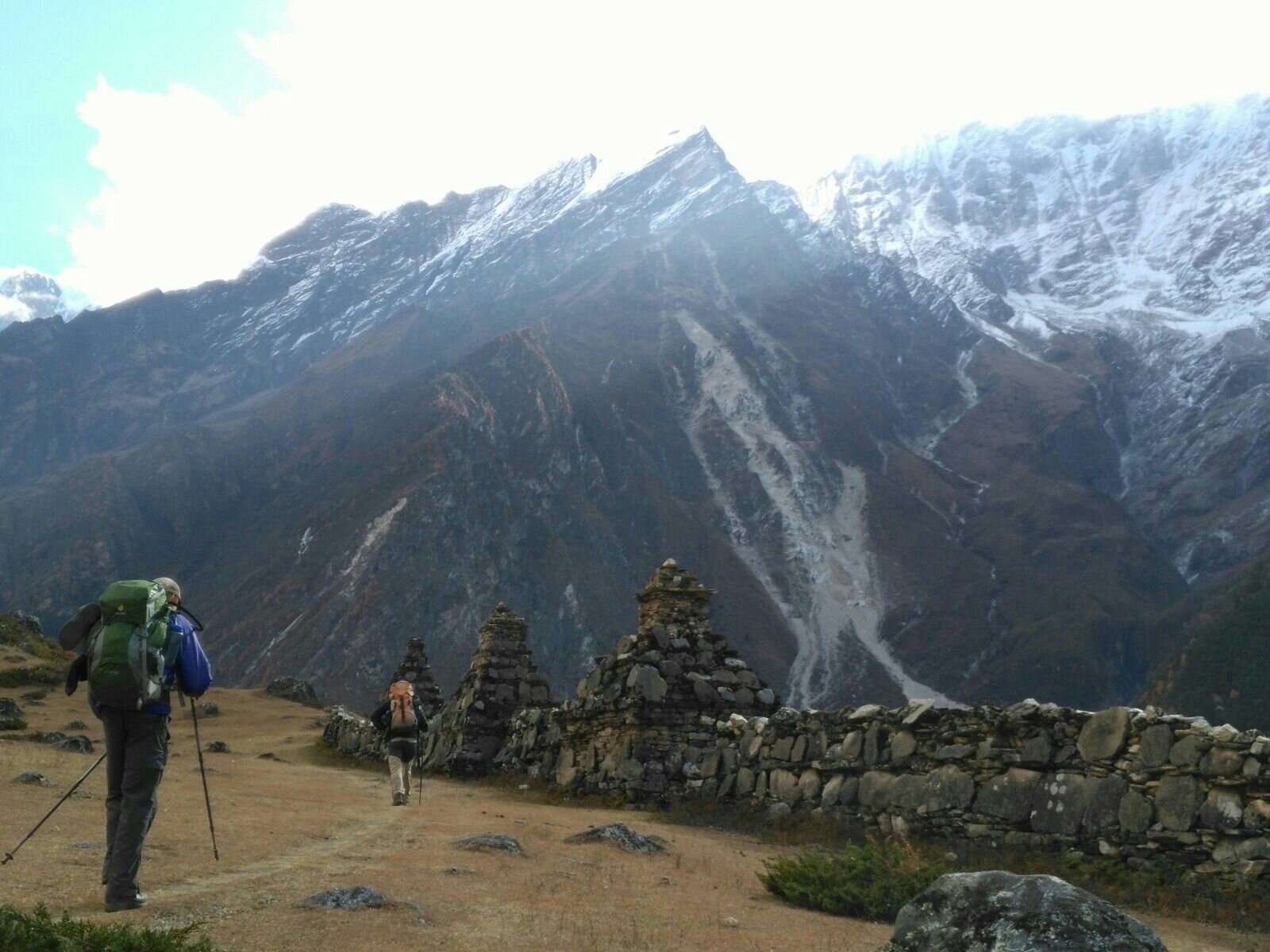
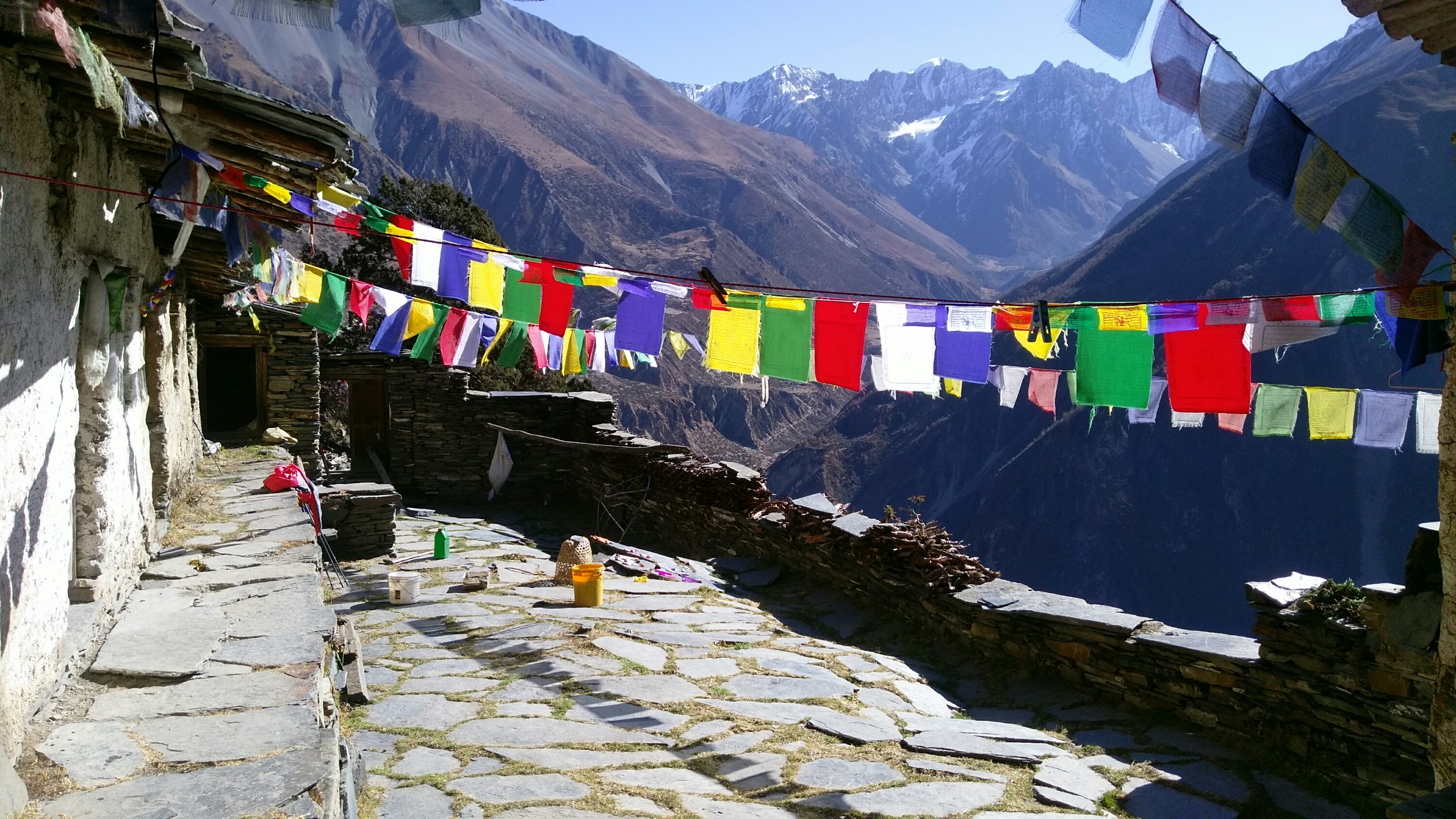
All of this against a back drop of stunning beauty and spiritual practice. The landscape is characterized by prayer flags, mani-walls and chortens. These are all traditional elements of Tibetan Buddhism. A chorten is built when some one dies. Certain Llamas are required to carve the stones, usually with the words “om Mani padme hum” on them. These are placed on the chortens and each time someone passes or views the stones compassion is bestowed upon the family.

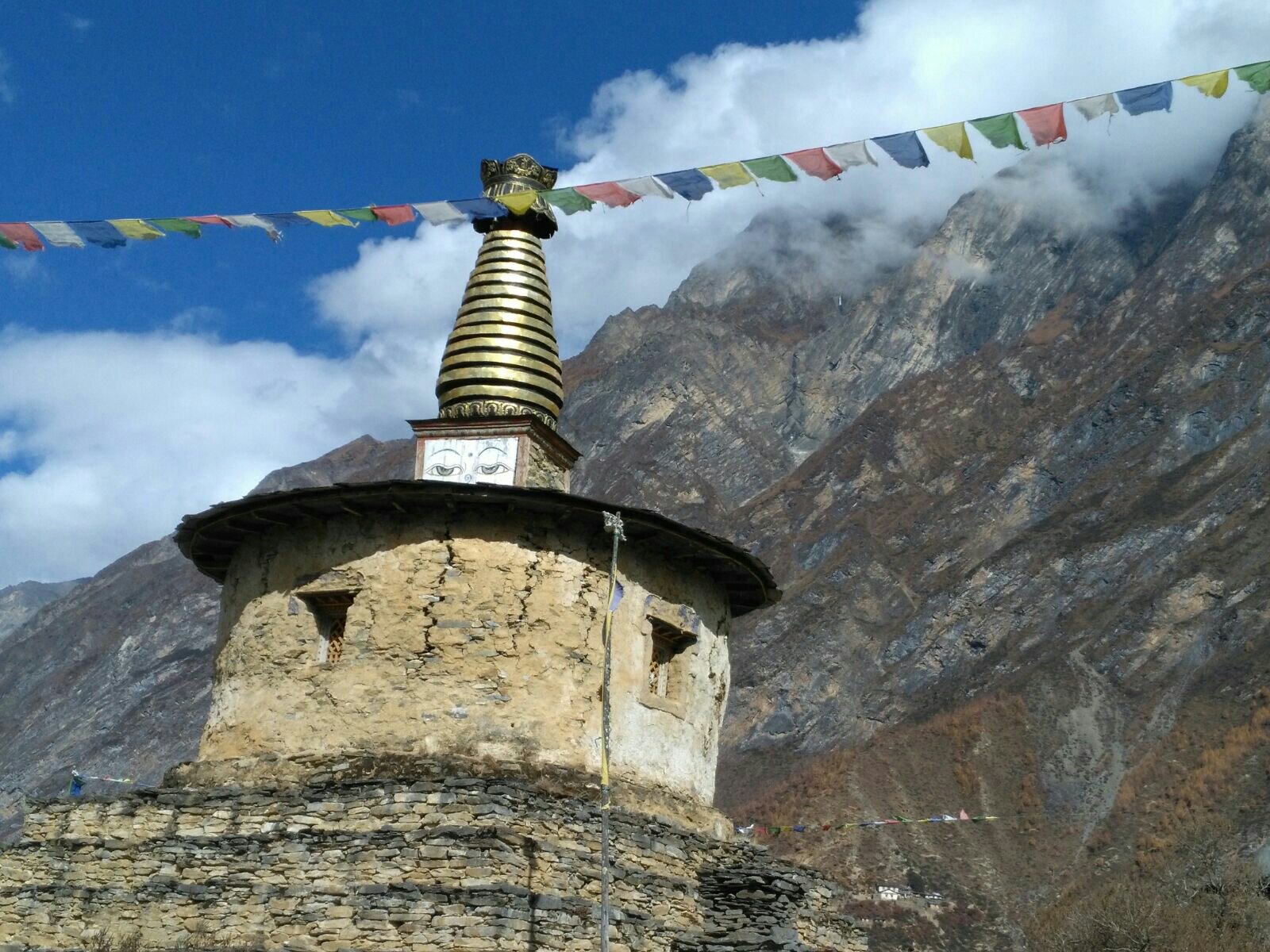
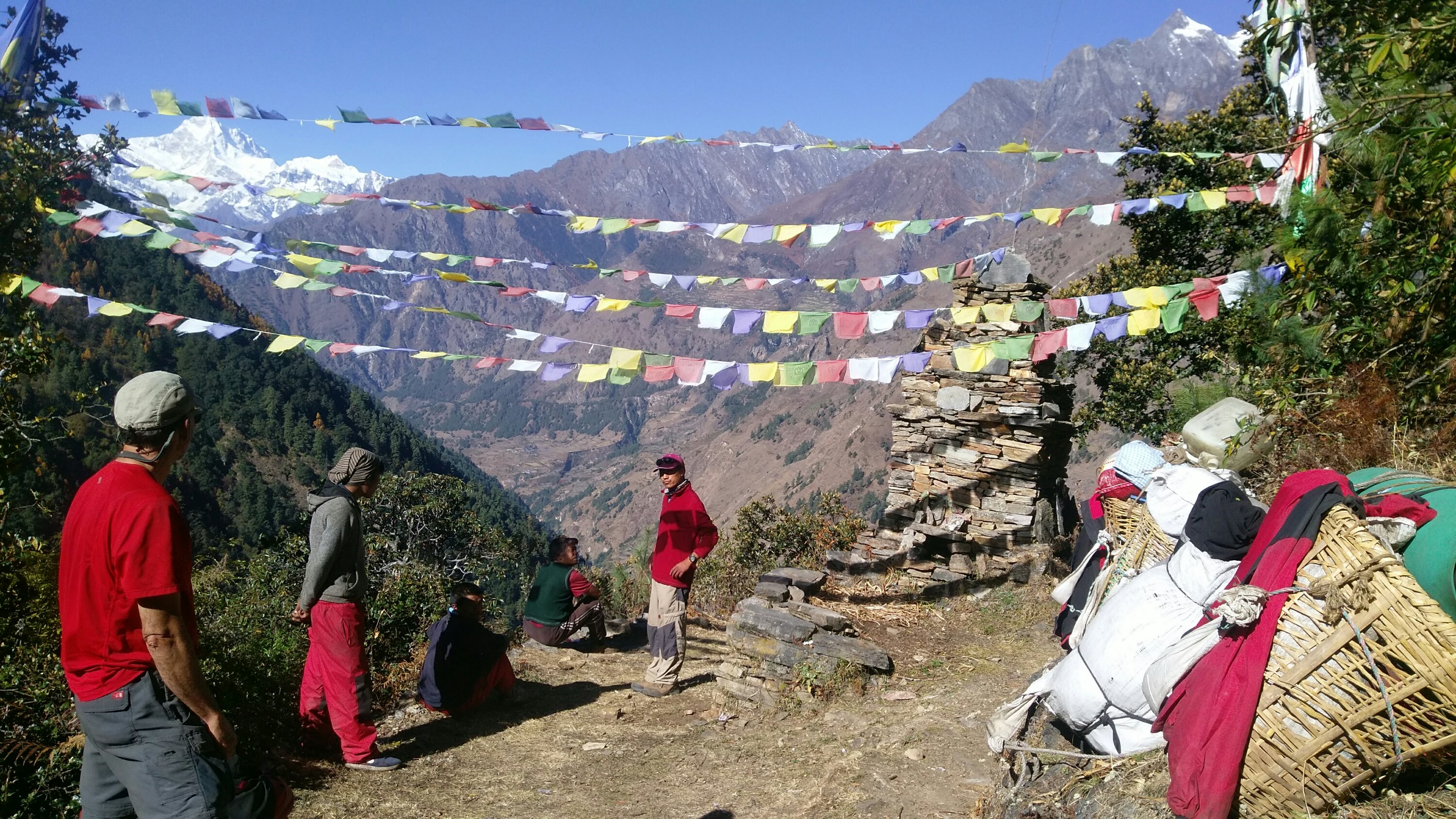
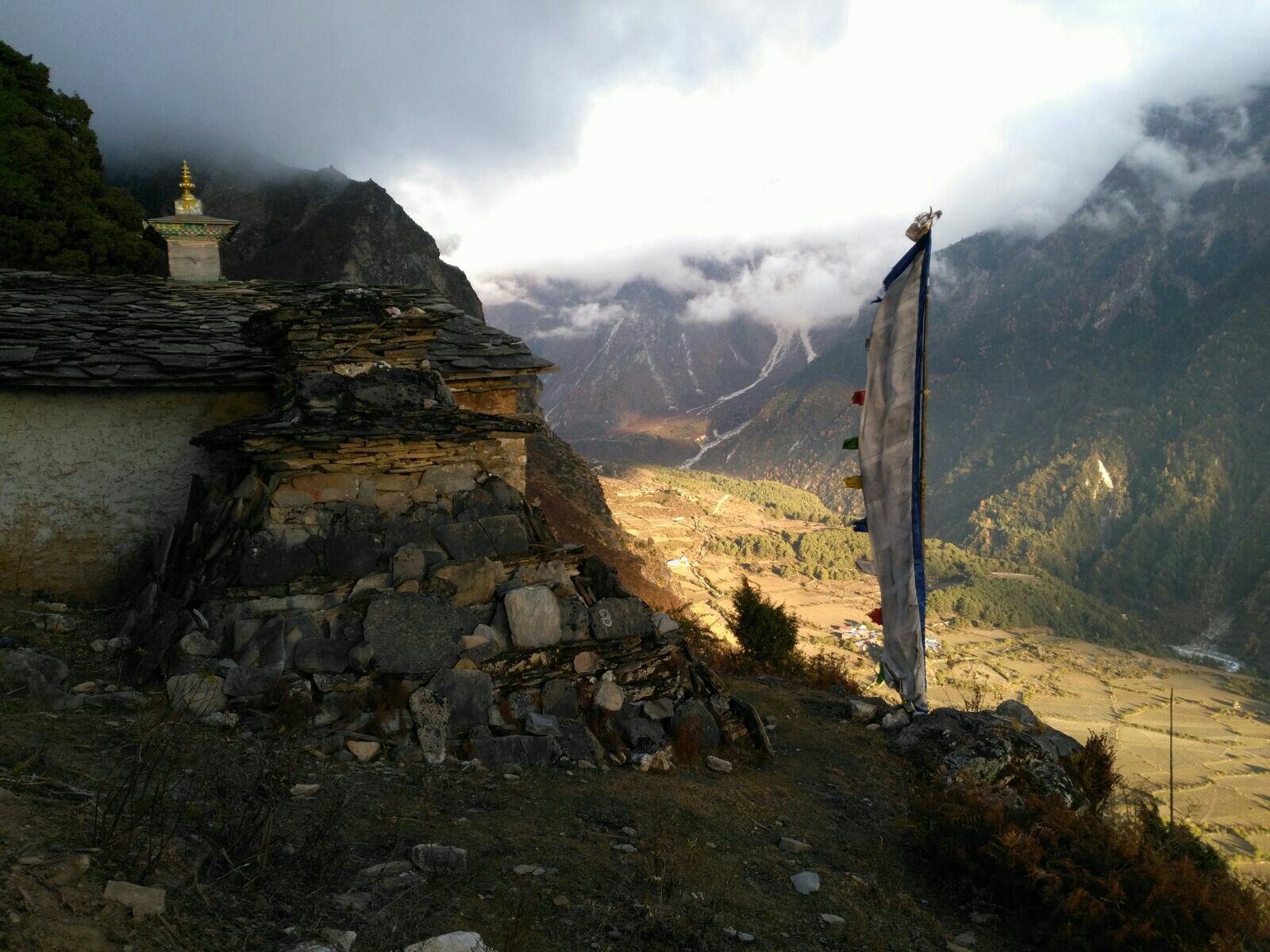

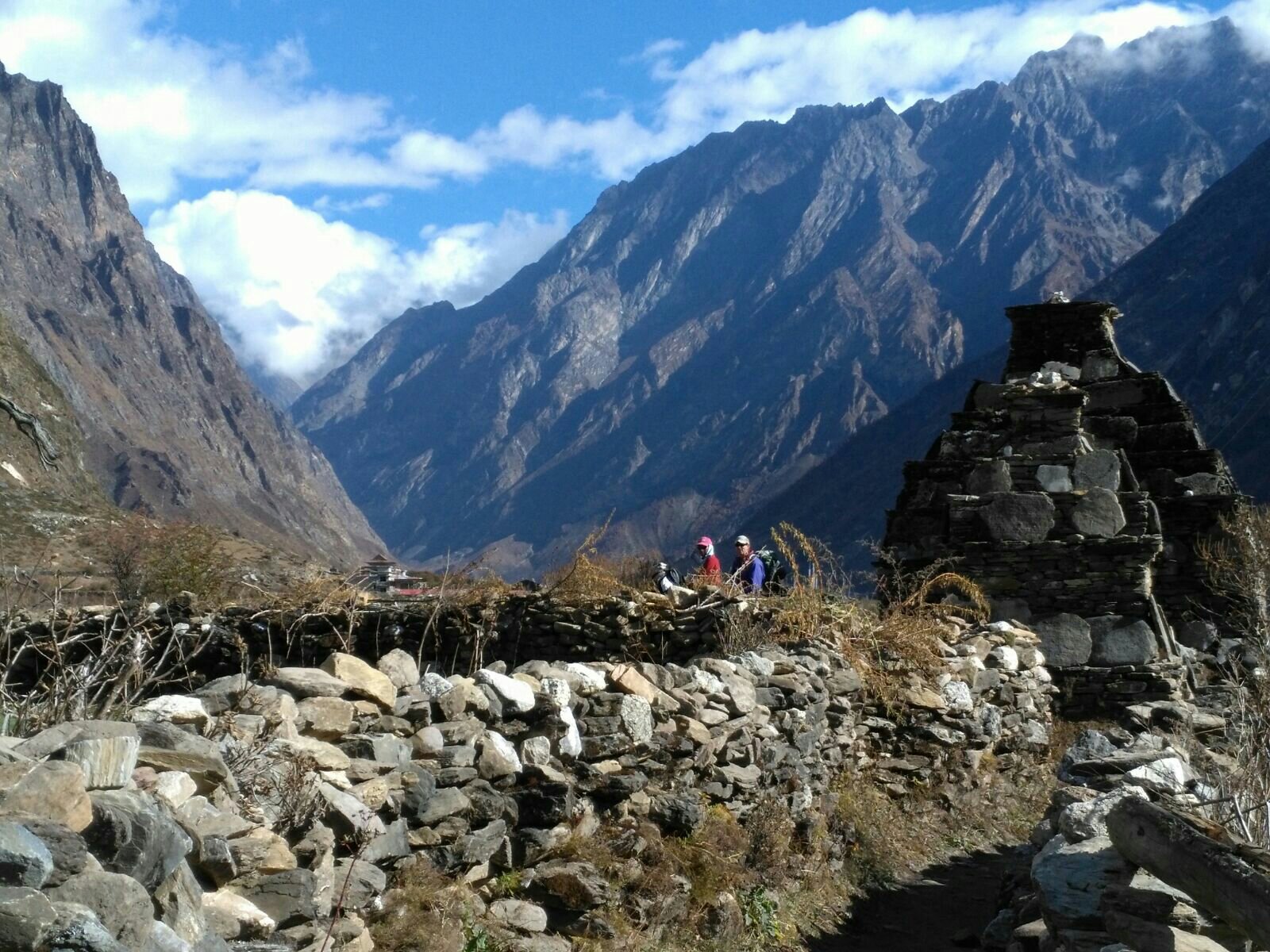

The valley is littered with monestarys. Some are small with just a few monks or Lamas, some are large teaching monestarys like Rangen Gumpa, that has 60 female student nuns. Some houses have private monestarys attached. Whatever the size these monestarys are ornate and colorful! They have altars and prayer wheels. Some prayer wheels can be 6 feet tall which makes you wonder how they got there! We stayed at a few monestarys including Mu Gumpa at the head of the valley. We had the true fortune of staying in one of the lamas quarters.

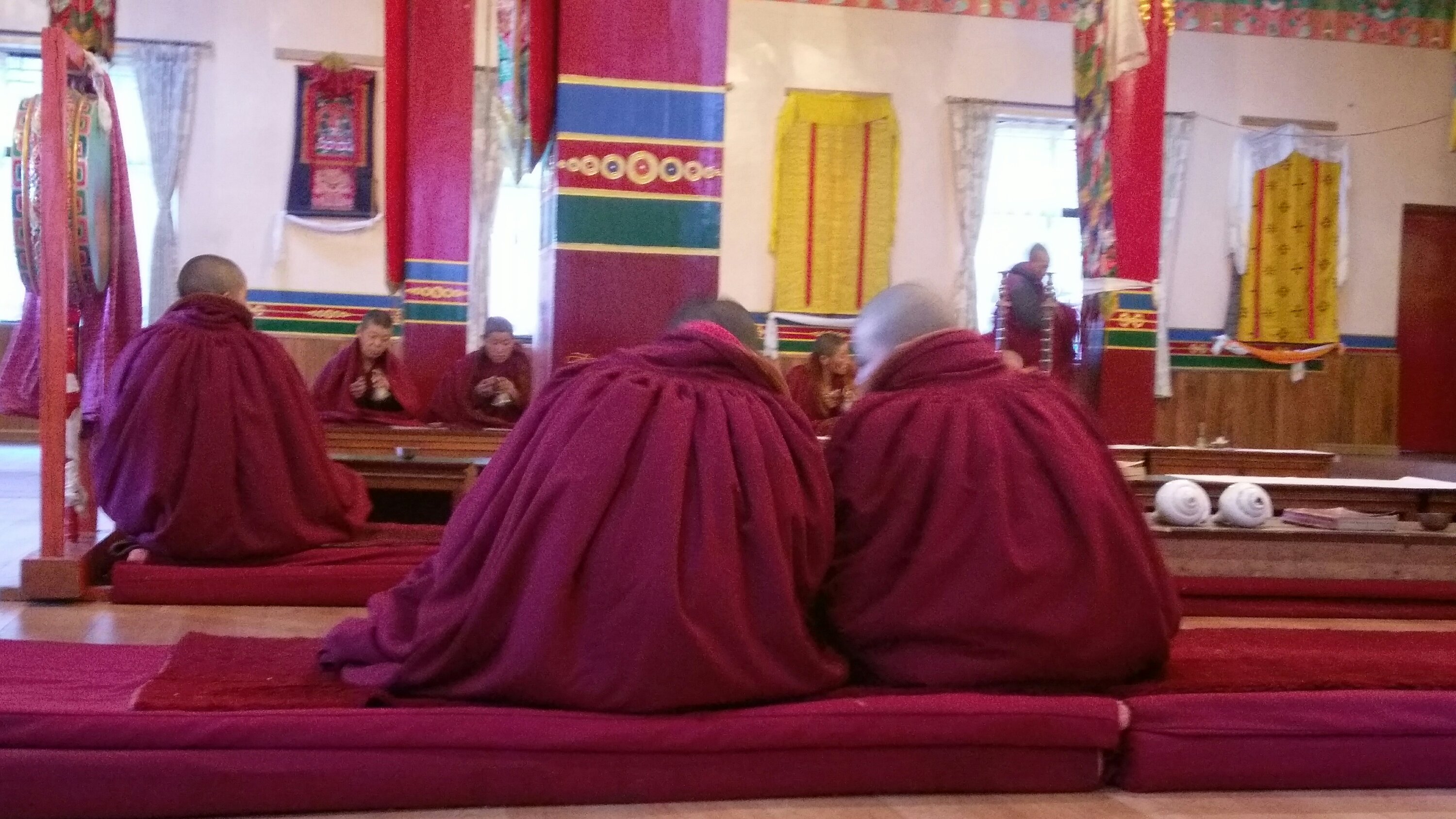
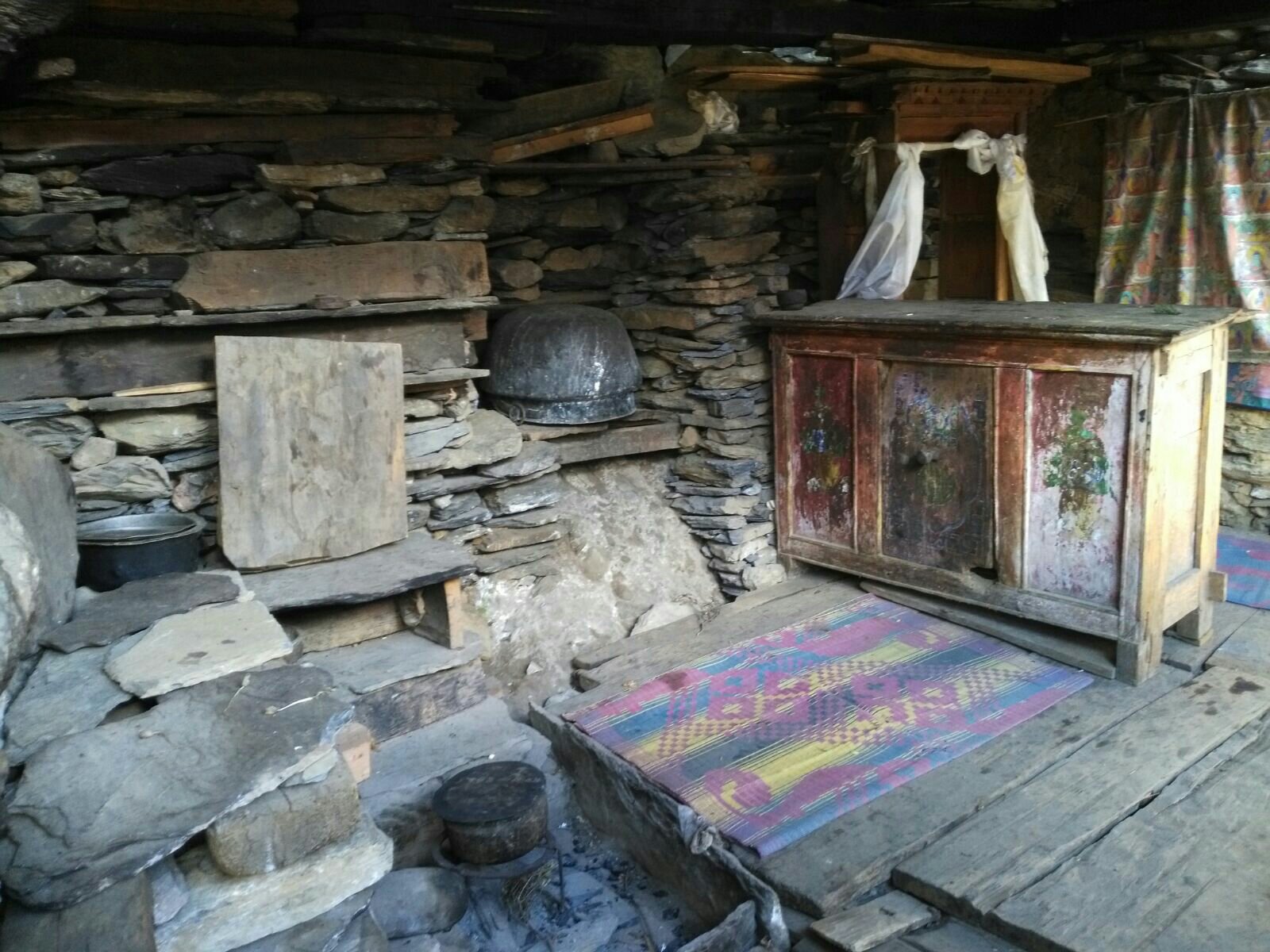
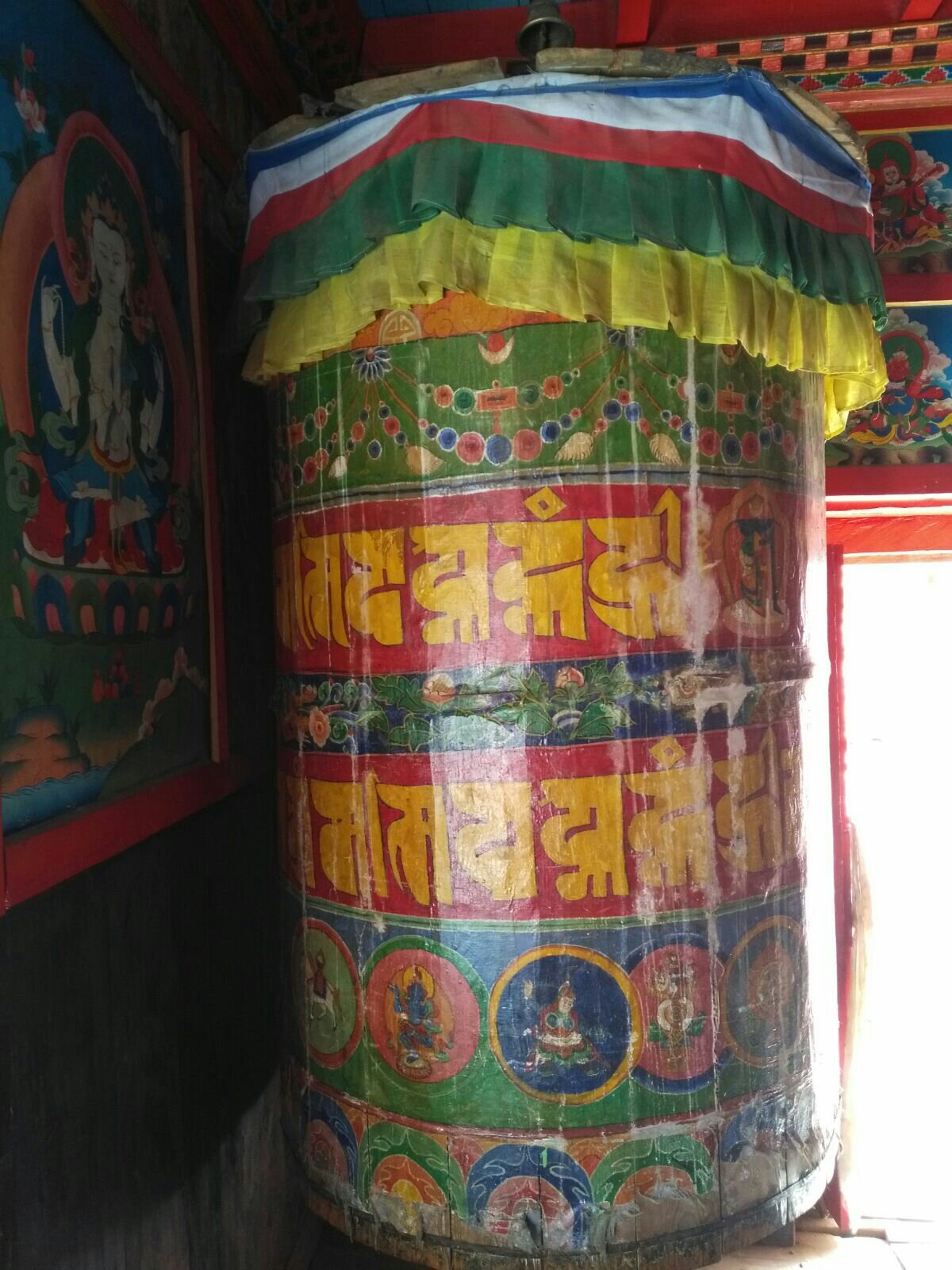
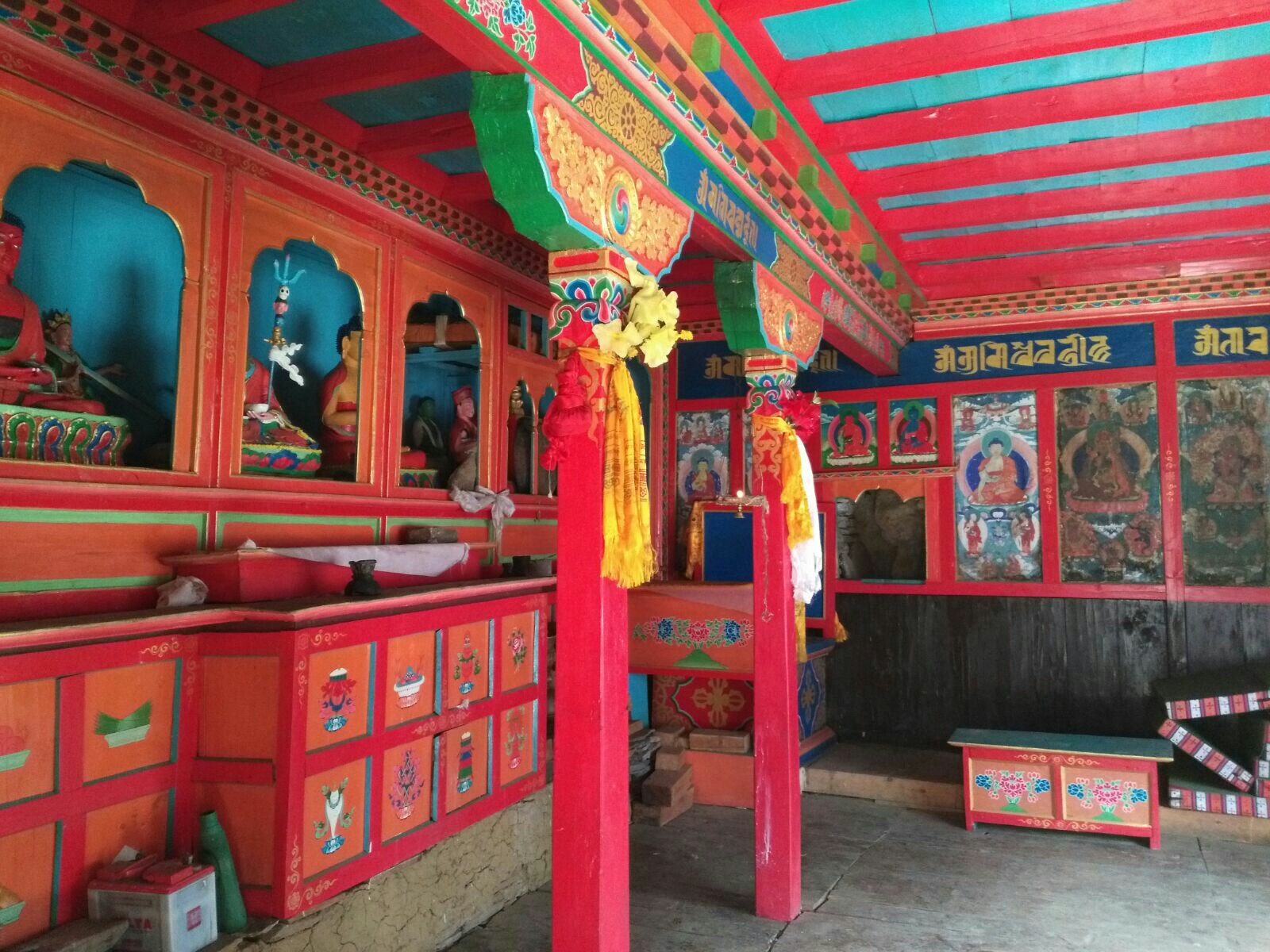
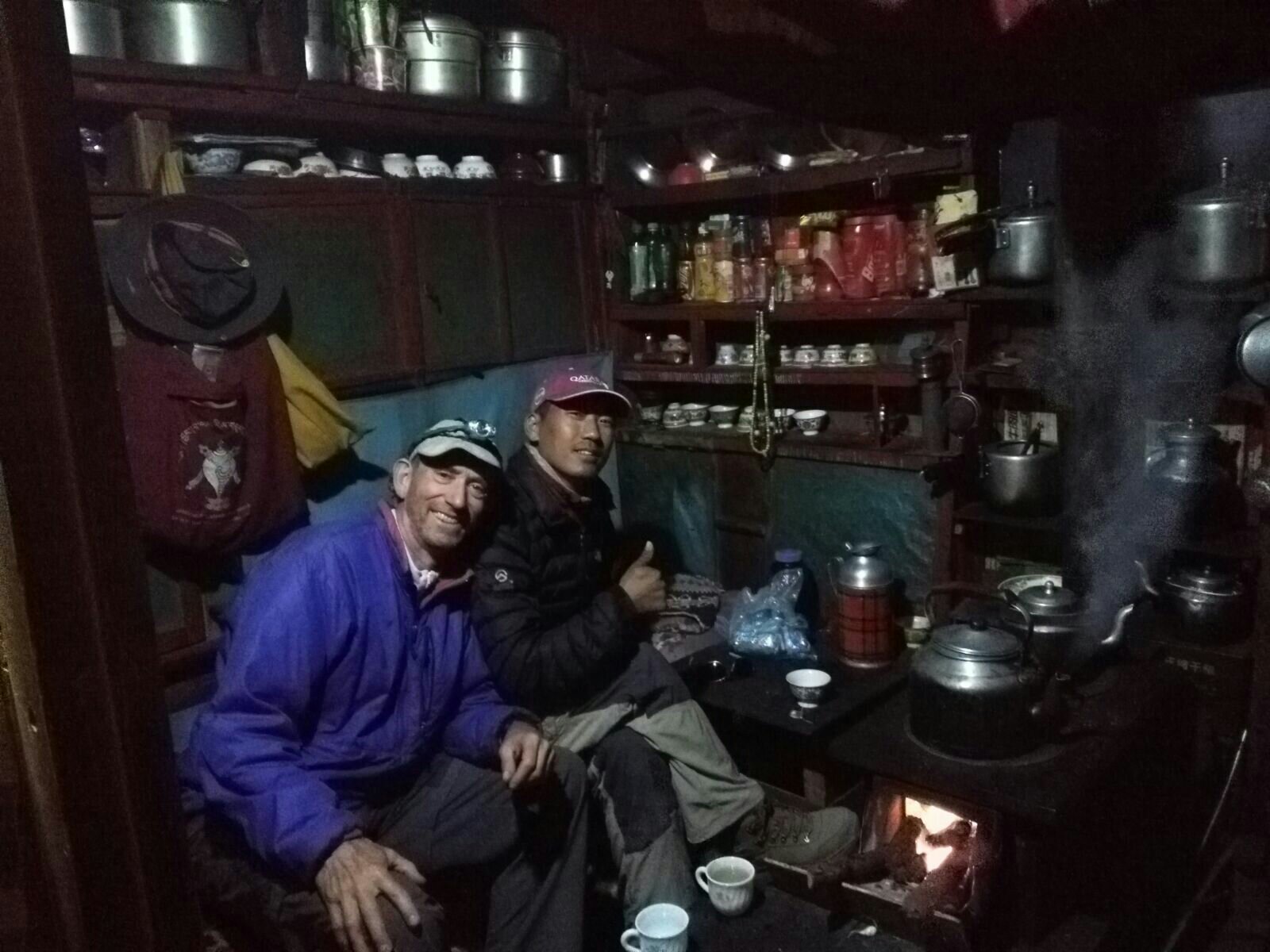
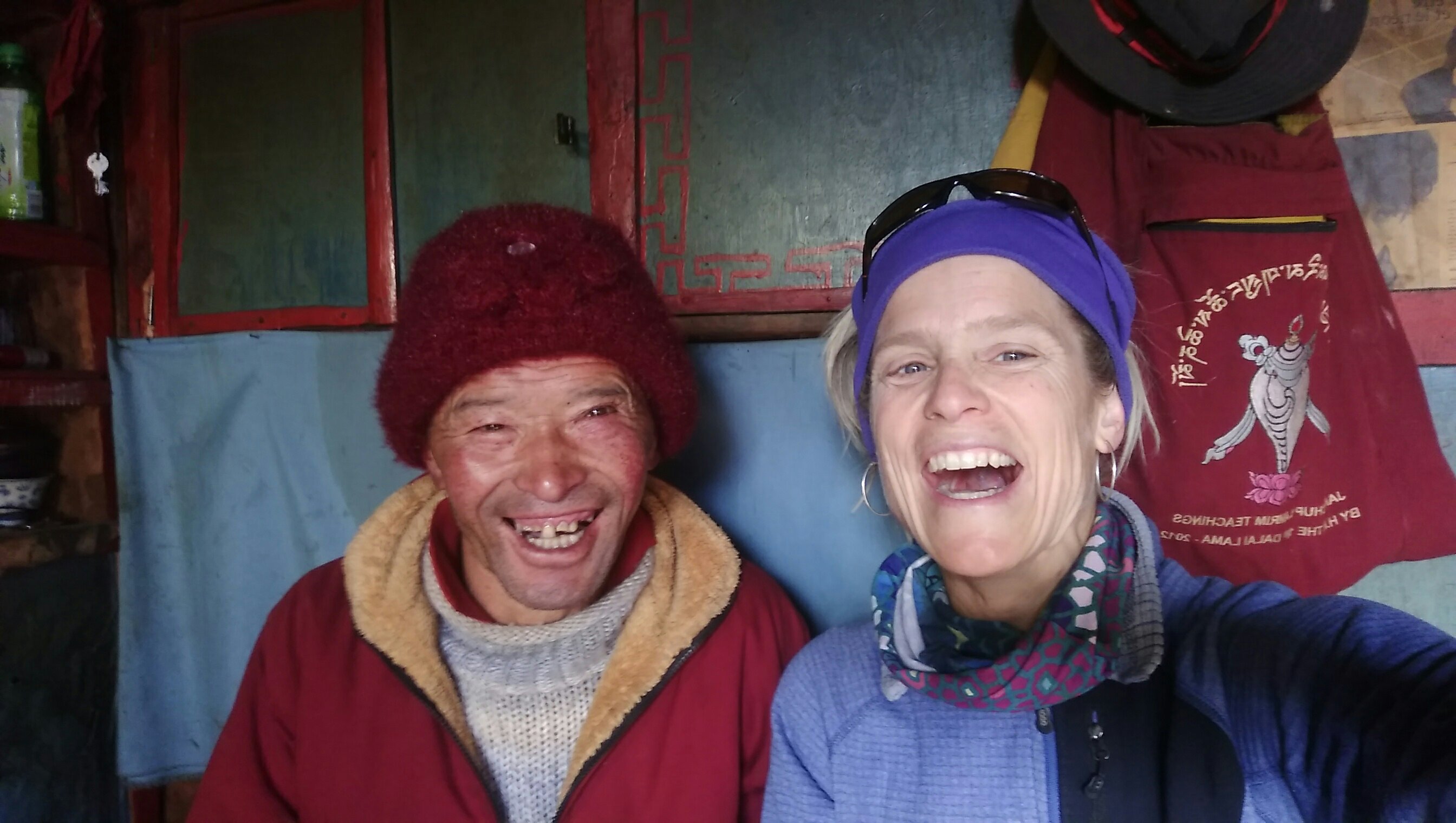
The spirituality is everywhere – in the daily puja of people in there homes, in walking past mani walls, in the chanting and horn blowing one hears as they pass a monestary. The spirituality is a way of life here and the stupas, chortens and mani walls are physical reminders as you move through the day.
Remnants of earthquake damage from 2015 are all over, many places busy rebuilding, which is slow when you make your lumber by hand. Rock construction is the norm as it is in great abundance. They break the rock with a big sledge hammer. (I shall never complain about a hard days work again!). One monestary that was particularly hard hit was Lungdang Gumpa in the Ganesh valley.
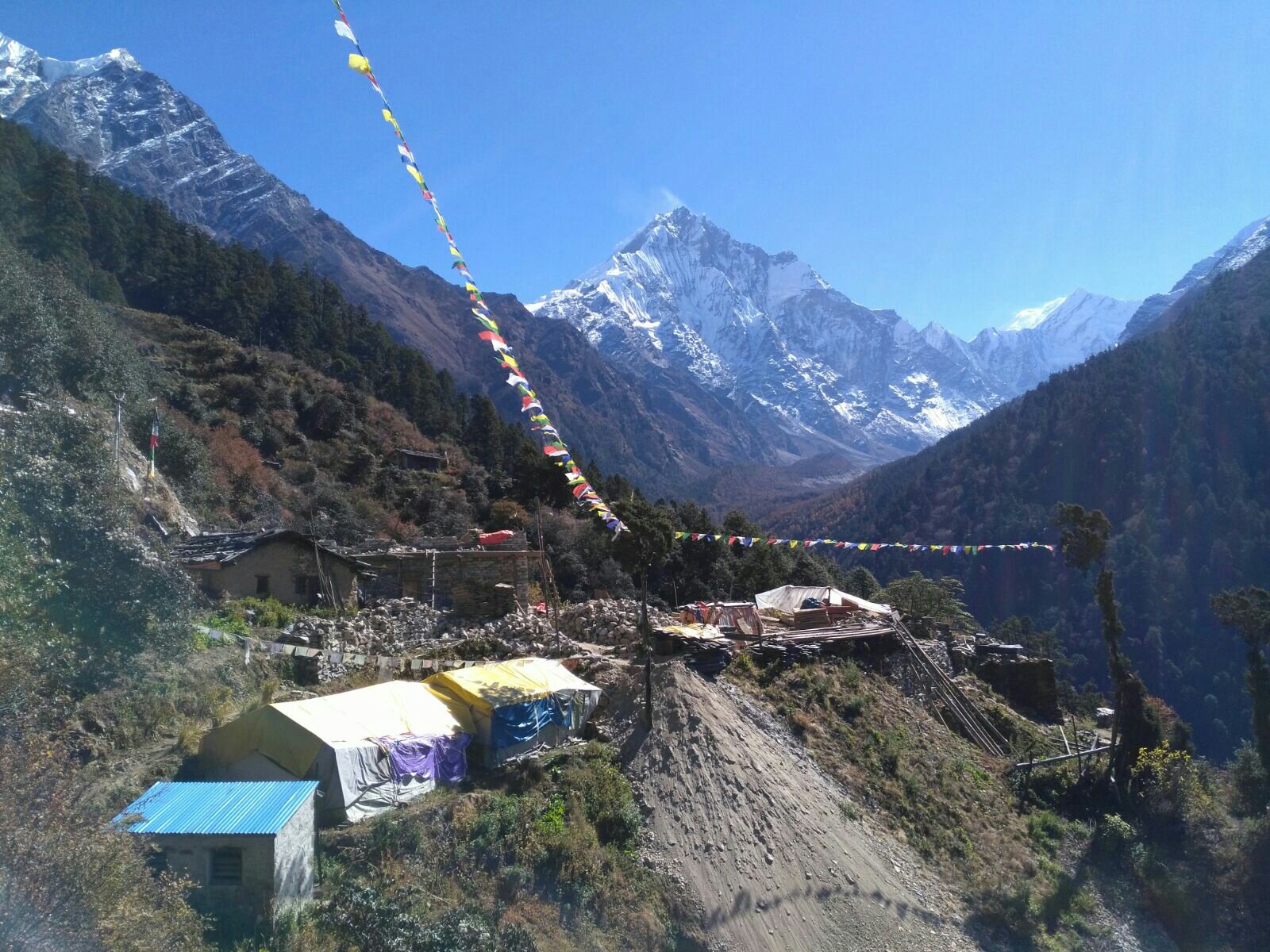


Traveling through the Tsum valley was magical, a true gem.
 Mirczak's Magical Year